Tuesday, June 15, 2010

June 14


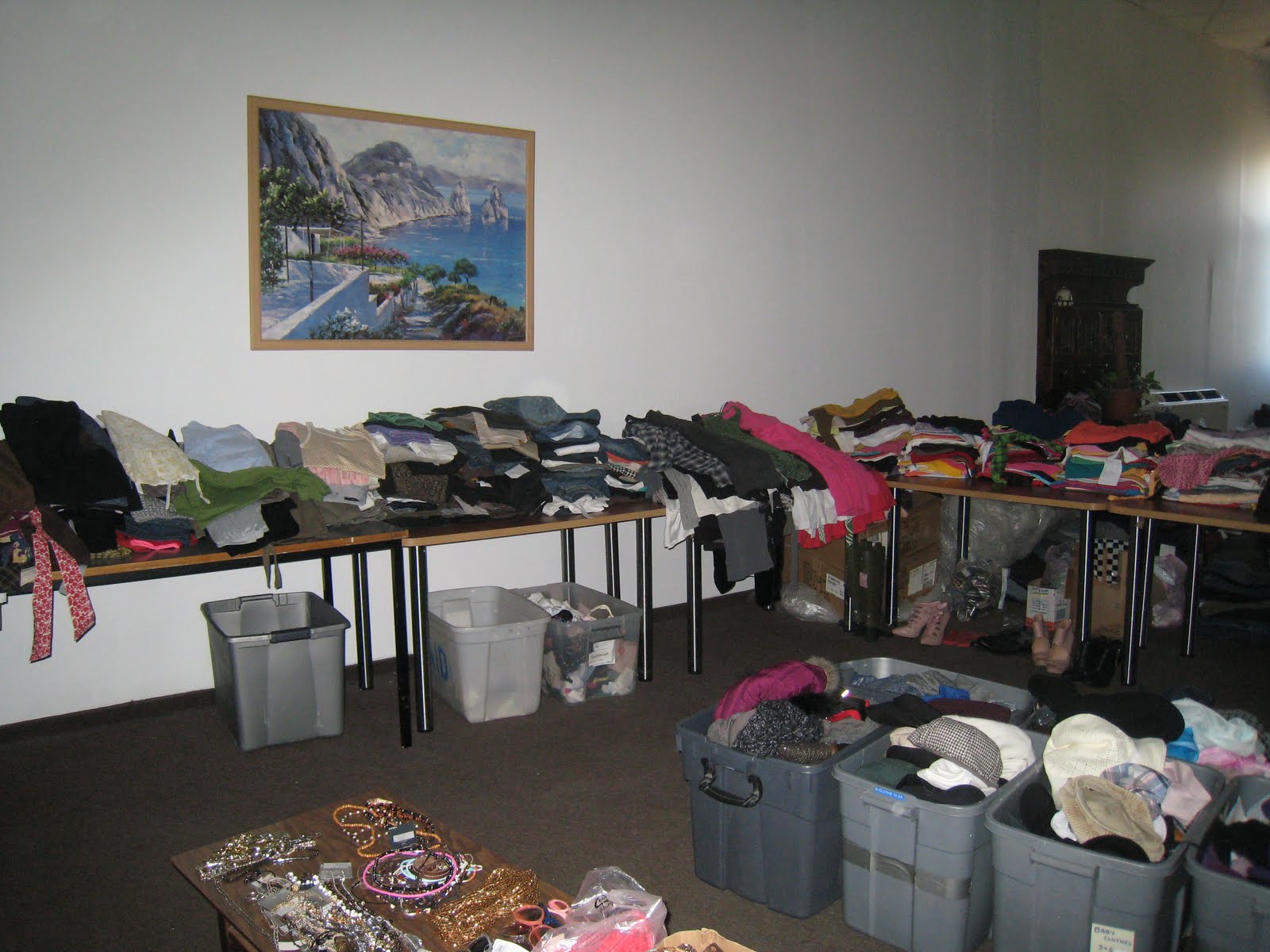
After our 3 days off, we are now back to work. Please keep us all in your prayer as our final week of staying and serving approach. We will be leaving on Sat. the 20th. and it is still so much to do. All those clothes that you see will have to be put on a hanger that I could not find any wholesale hangers in Israel yet. Robin and I will also be drilling and hanging the rack up today. Everyone here have been amazing, the workers, the people that GOD had brought into our path. I have learned so much.It is only about the heart and the love, nothing else matter. I am bless by all that happen here.

Ein Gedi


is mentioned several times in biblical writings, for example, in the Song of Songs; "My beloved is unto me as a cluster of henna flowers in the vineyards of Ein Gedi" (1:14). In the Old Testament, David hides from Saul in the caves here; "And David went up from thence, and dwelt in the strongholds of Ein Gedi" (1 Samuel 23:29).

Dead Sea


also called the Salt Sea, is a salt lake bordering Israel and the West Bank to the west, and Jordan to the east. Its surface and shores are 422 metres (1,385 ft) below sea level,[2] the lowest elevation on the Earth's surface on dry land. The Dead Sea is 378 m (1,240 ft) deep, the deepest hypersaline lake in the world. It is also one of the world's saltiest bodies of water, with 33.7% salinity. Only Lake Assal (Djibouti), Garabogazköl and some hypersaline lakes of the McMurdo Dry Valleys in Antarctica (such as Don Juan Pond) have a higher salinity. It is 8.6 times more salty than the ocean.[3] This salinity makes for a harsh environment where animals cannot flourish, hence its name. The Dead Sea is 67 kilometres (42 mi) long and 18 kilometres (11 mi) wide at its widest point. It lies in the Jordan Rift Valley, and its main tributary is the Jordan River.

June 13


Masada

is the name for a site of ancient palaces and fortifications in the South District of Israel on top of an isolated rock plateau, or horst, on the eastern edge of the Judean Desert overlooking the Dead Sea. After the First Jewish-Roman War a siege of the fortress by troops of the Roman Empire led to the mass suicide of the Sicarii rebels, who preferred death to surrender.